Gehirn am Limit is an investigative design concept exploring how cognitive load, overstimulation, and modern work culture impact human attention and mental performance.
The project translates scientific insights into a visual narrative prototype, combining research synthesis, conceptual design, motion direction, and an experimental digital aesthetic.
01 — Challenge
Challenge
The project began with one core speculative question:
"What would happen if humans could access 100% of their cognitive capacity — and how would design visualize such a utopian state?"
The goal was to explore cognitive overload, mental capacity, and digital overstimulation through a narrative prototype, without falling into medical clichés or unrealistic sci-fi tropes.
Key Challenges
Translating neuroscience concepts into relatable visual metaphors
Exploring the tension between full cognitive potential vs. modern cognitive overload
Avoiding sensationalism while visualizing abstract mental states
Creating an aesthetic system that balances science, speculation, and storytelling
Building a coherent narrative around a speculative “enhanced cognition” scenario
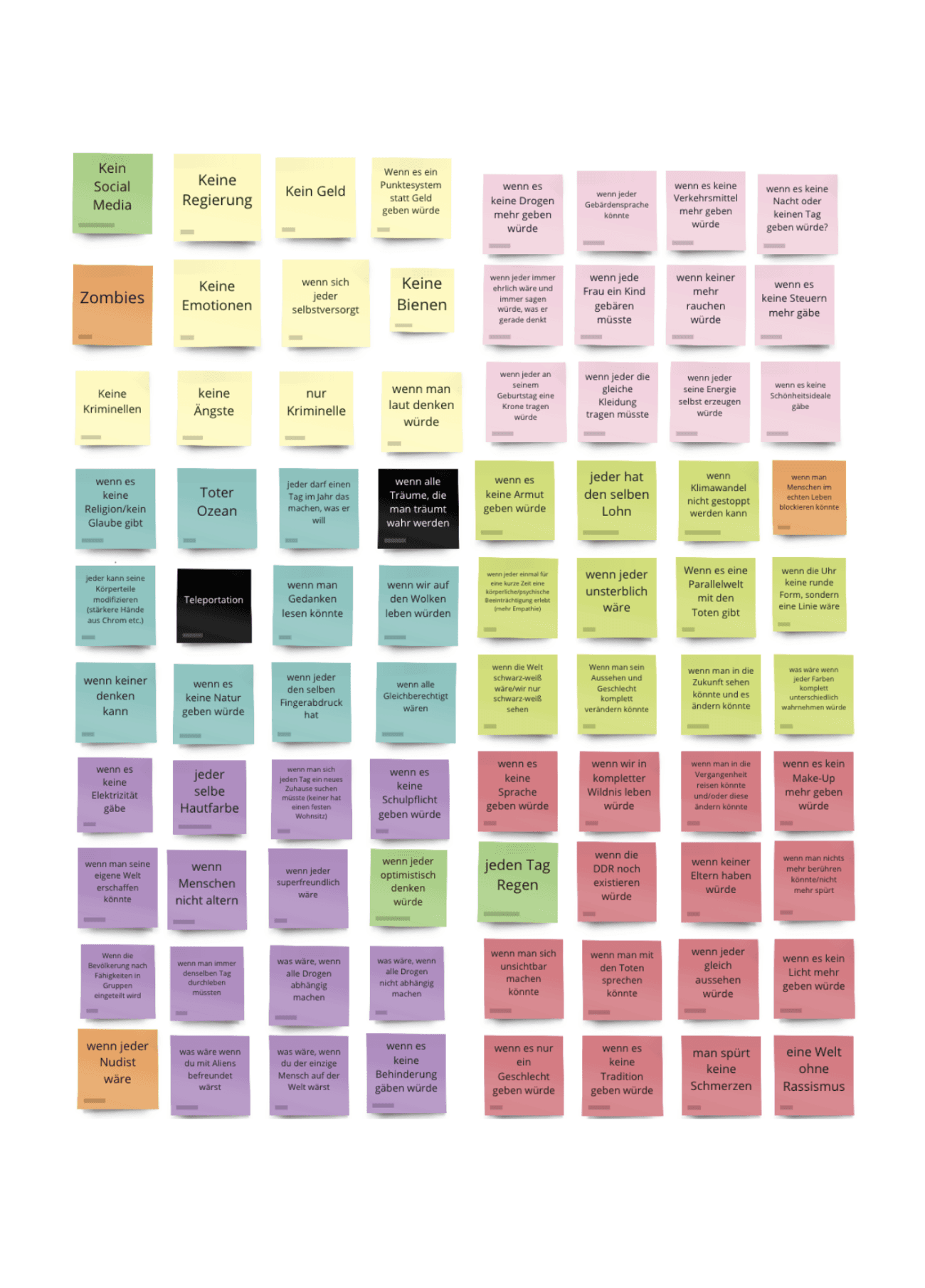
02 — Process / Research
Research Focus
Neuroscience basics: memory, attention, overload
Cognitive load theory & overstimulation triggers
Behavioral patterns in digital environments
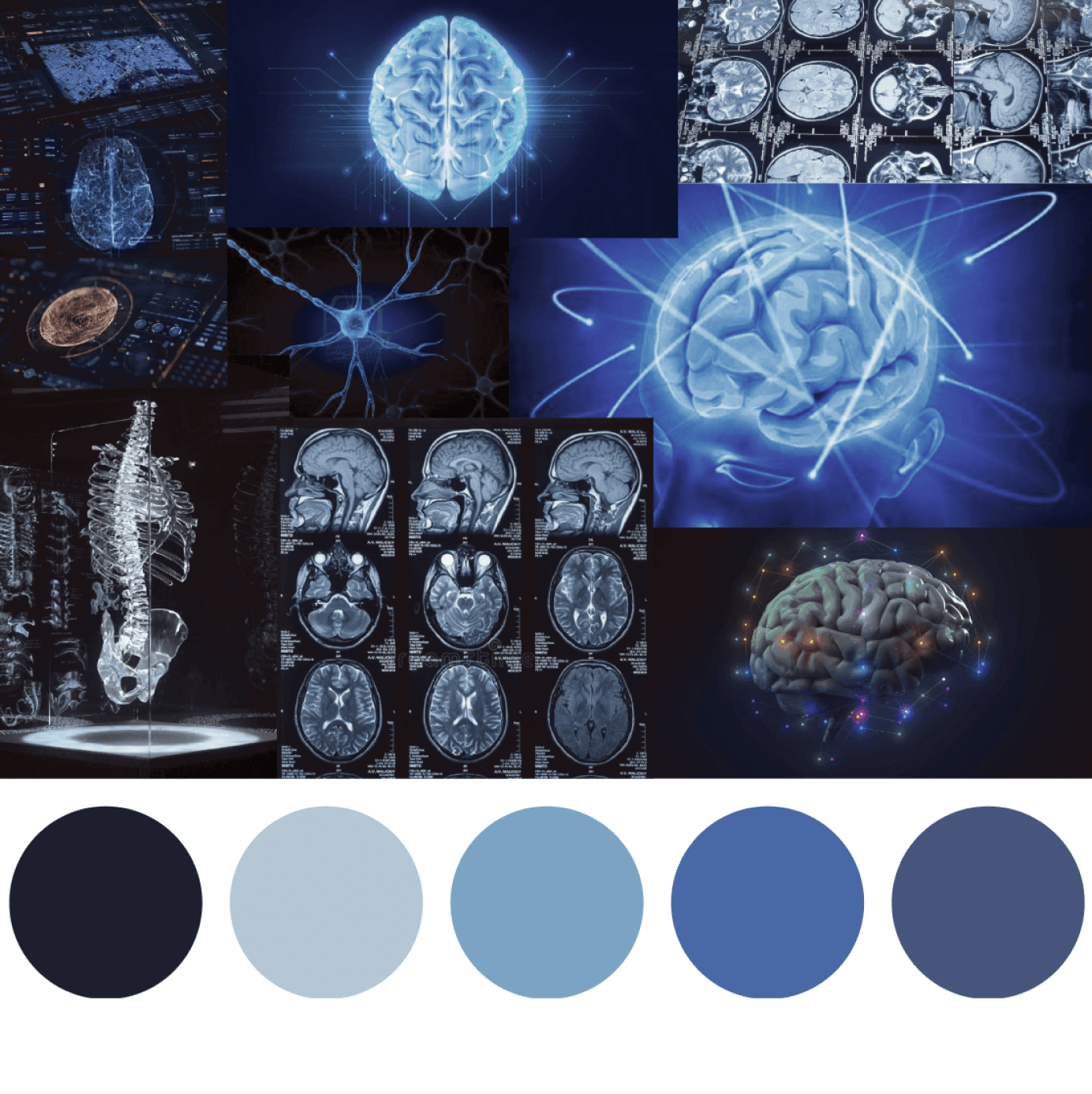
Scientific imagery (EEG/MRI) to guide visual metaphors
Outputs
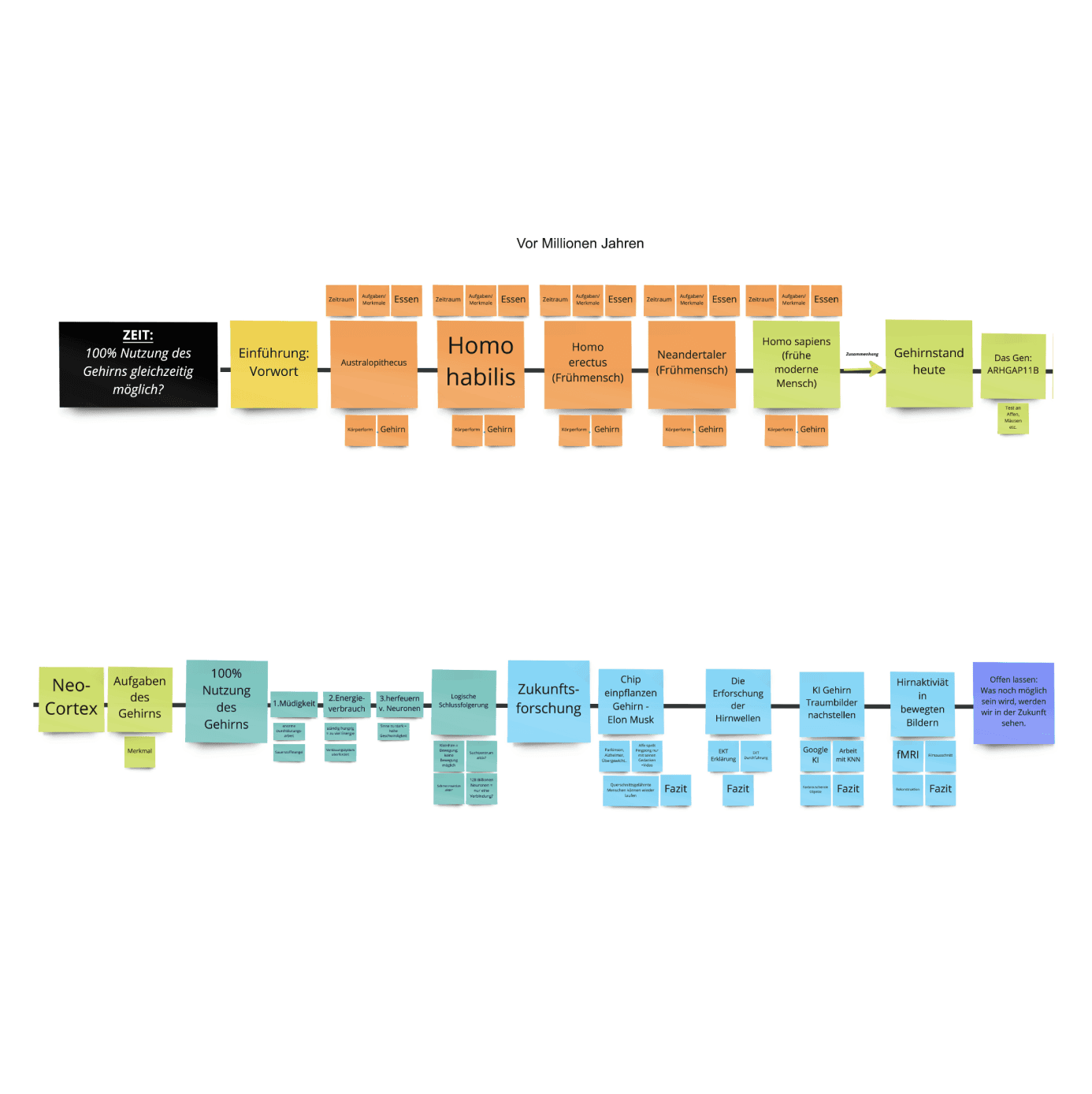
Insight clusters (clarity → fragmentation → overload)
Visual metaphor system: blur, duplication, distortion
Narrative arc representing cognitive decline
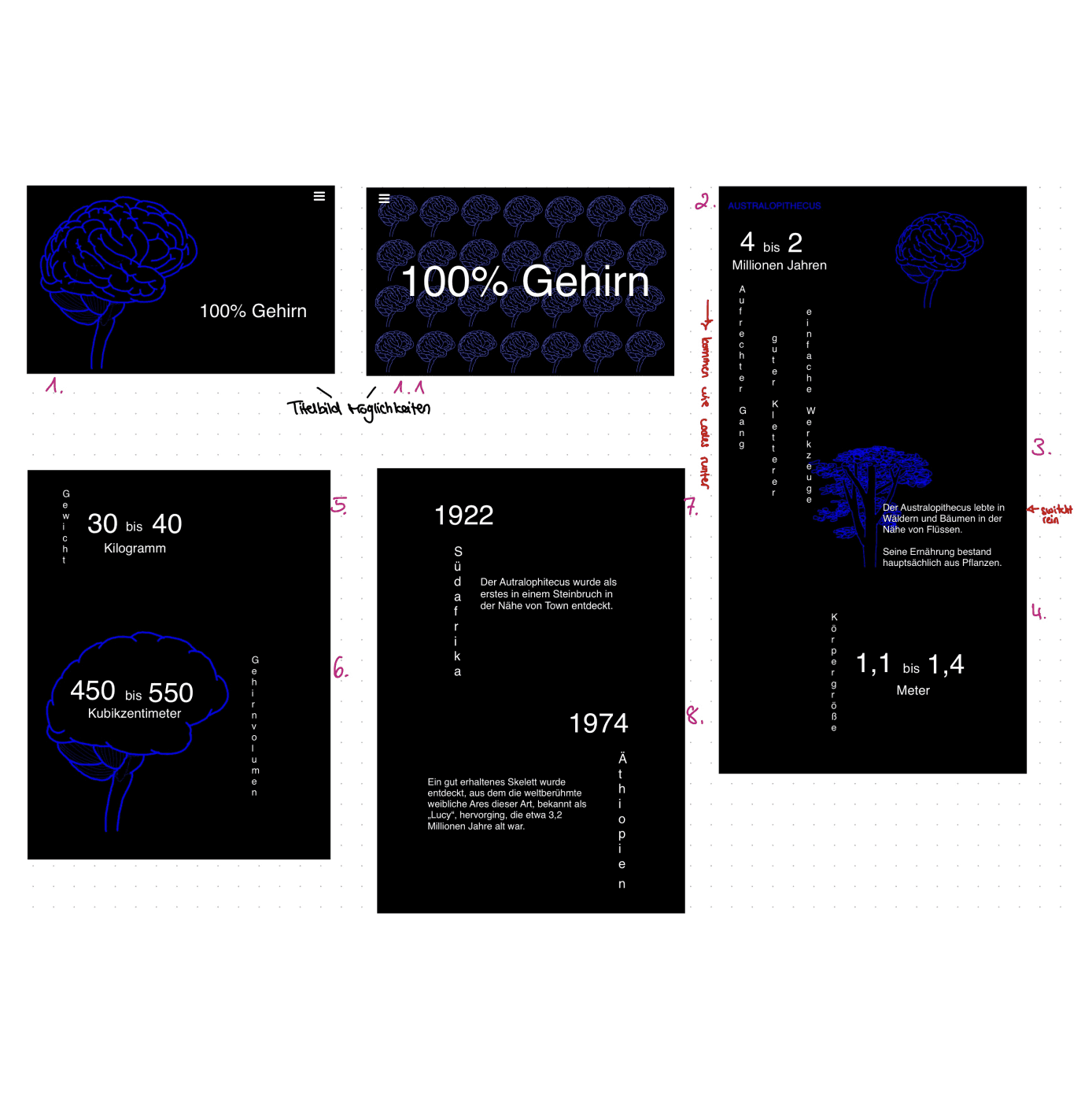
Storyboards defining the speculative journey
03 — Design System
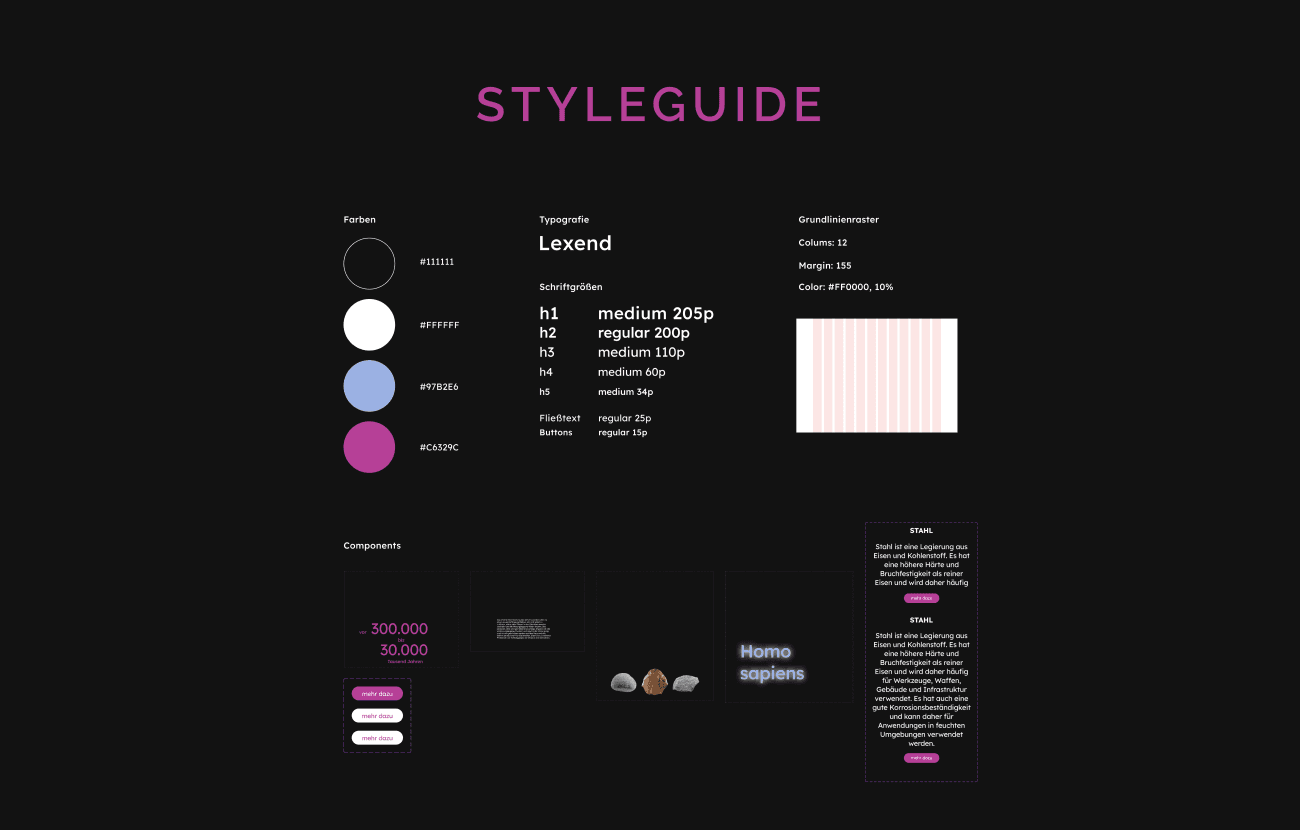
Visual Language
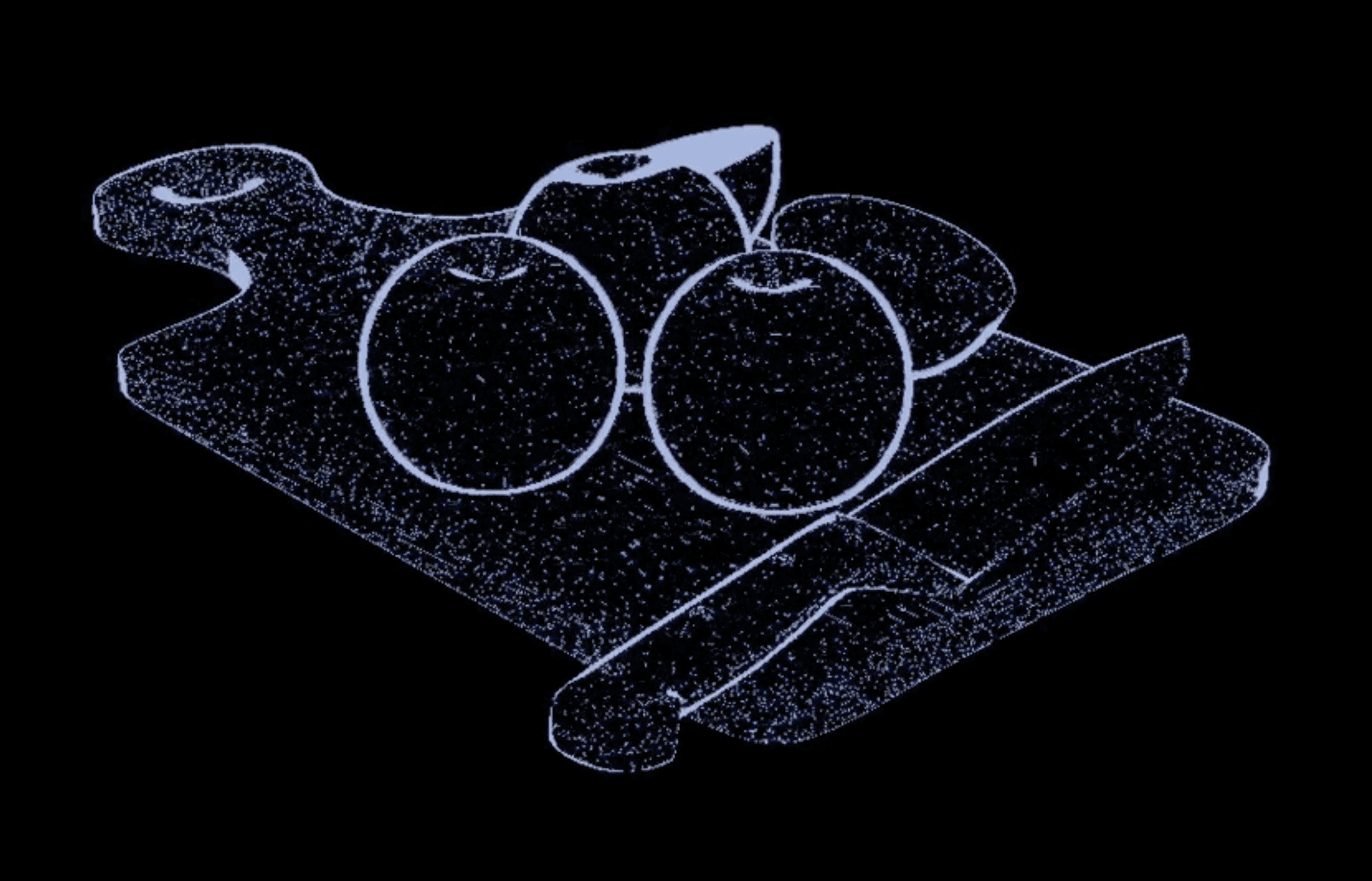
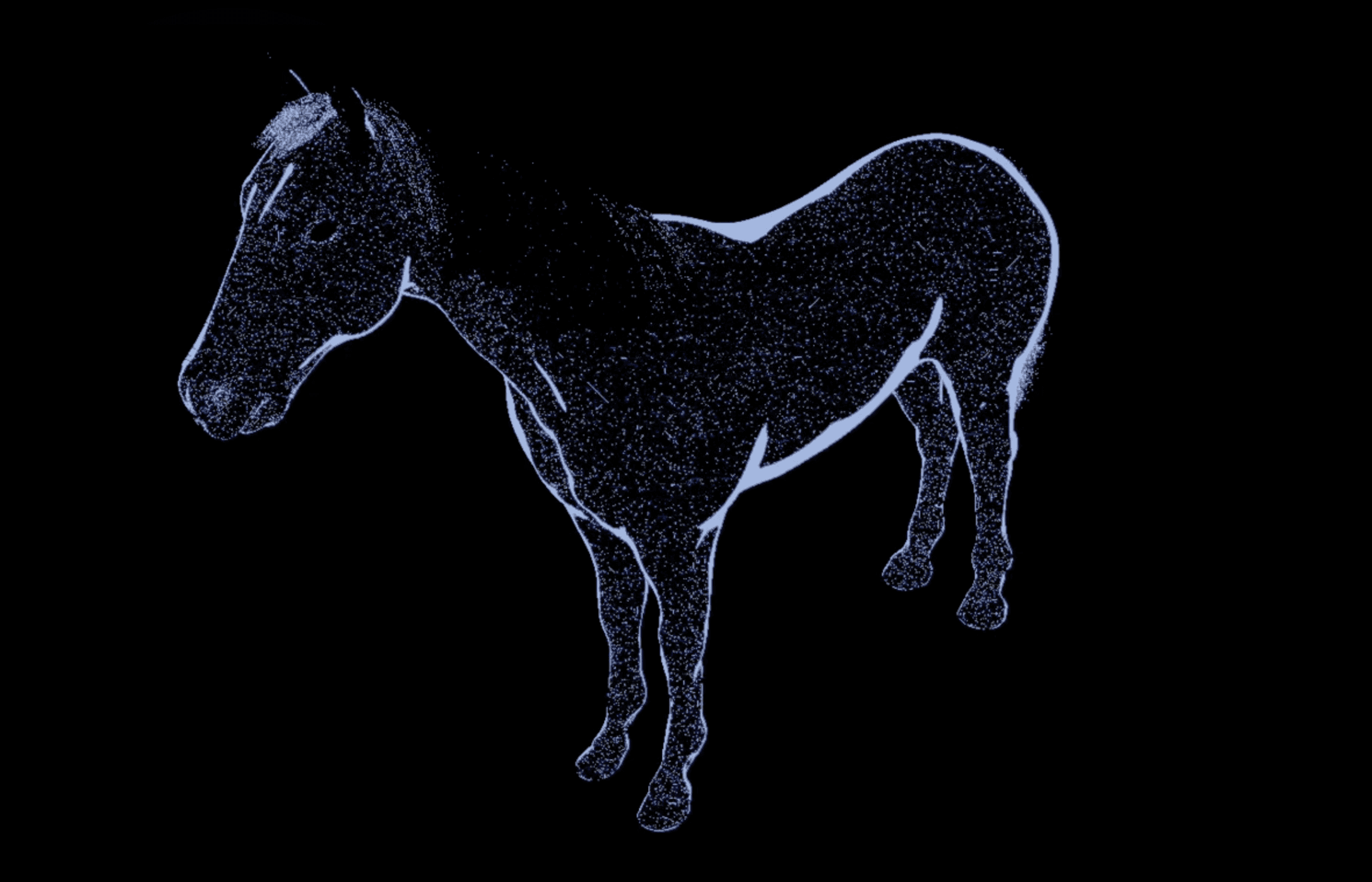
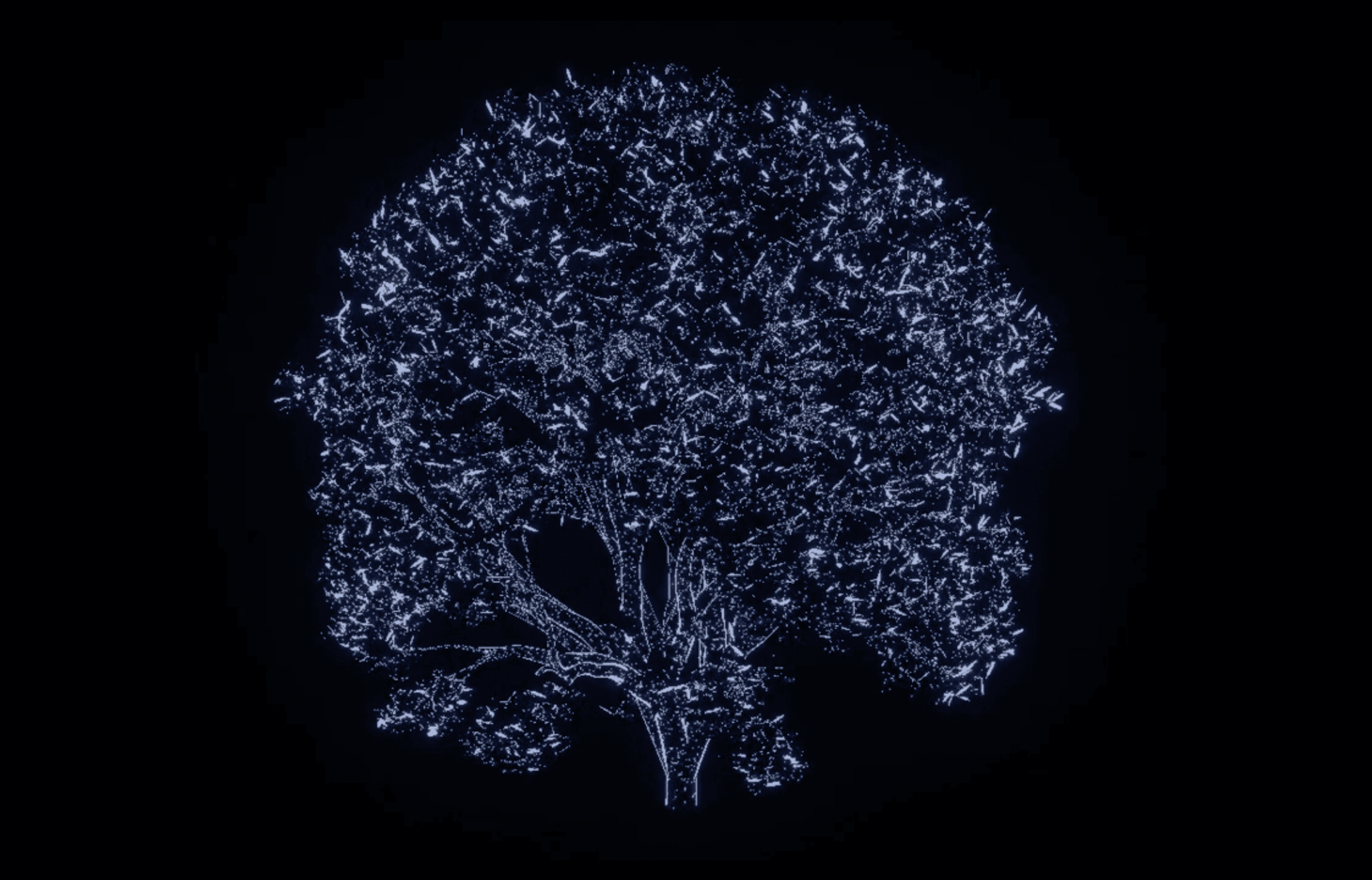
Neural line illustrations
Fragmented / layered shapes for disrupted cognition
Cool scientific palette
Distorted type to express interference
Motion cues for overload (flicker, blur, delay)
Components
Neural drawings
Cognitive state icons
Distortion typography
Motion prototypes
Mini styleguide
04 — Outcome & Learnings
Outcome
High-fidelity Figma & motion prototype visualizing cognitive overload through scientific and speculative design. Shows how design can translate complex mental states into an accessible digital narrative.
Key Results
Clear visual progression: clarity → expansion → overload
Strong metaphor-driven visual system
Conceptual motion to express cognitive strain
Structured speculative narrative in prototype form
Learnings
Visualizing scientific concepts ethically
Using motion & distortion as UX metaphors
Turning research into a clear narrative flow
Balancing clarity with expressive storytelling